Updated on Jan. 12, 2026 (Madrid time / CET).
Real Madrid have confirmed Xabi Alonso leaves Real Madrid by mutual agreement, with Álvaro Arbeloa promoted to lead the first team after Sunday’s Spanish Super Cup final loss to Barcelona. [1][2][3]
Dek
The club moved swiftly after the Supercopa defeat in Jeddah, ending Alonso’s short spell and turning to an internal solution—Arbeloa, a familiar face from La Fábrica and the dressing room era. [1][2]
Key Takeaways
- Real Madrid announced Alonso’s departure by mutual agreement on Jan. 12, 2026. [2]
- Reuters reported Alonso leaves after just over seven months in charge. [1]
- Real Madrid confirmed Álvaro Arbeloa as the new first-team coach. [3]
- The change follows Barcelona 3–2 Real Madrid in the Spanish Super Cup final on Jan. 11 in Jeddah. [4][5]
- Arbeloa inherits immediate pressure with Madrid facing a packed calendar and trophy expectations.
Match/Context Essentials (table-like)
News headline: Xabi Alonso leaves Real Madrid (mutual agreement) [2]
Announcement date: Jan. 12, 2026 (Madrid time / CET) [2][3]
Replacement: Álvaro Arbeloa appointed first-team coach [3]
Catalyst context: Spanish Super Cup final
- Result: Barcelona 3–2 Real Madrid [4][5]
- Date: Jan. 11, 2026 [4][5]
- Venue/City: King Abdullah Sports City Stadium, Jeddah [4]
- Scorers (as reported): Raphinha (2) and Lewandowski for Barça; Vinícius Júnior and Gonzalo for Madrid [4][5]
- Key incident: Frenkie de Jong sent off (second half) [4]
Xabi Alonso leaves Real Madrid: the official statement
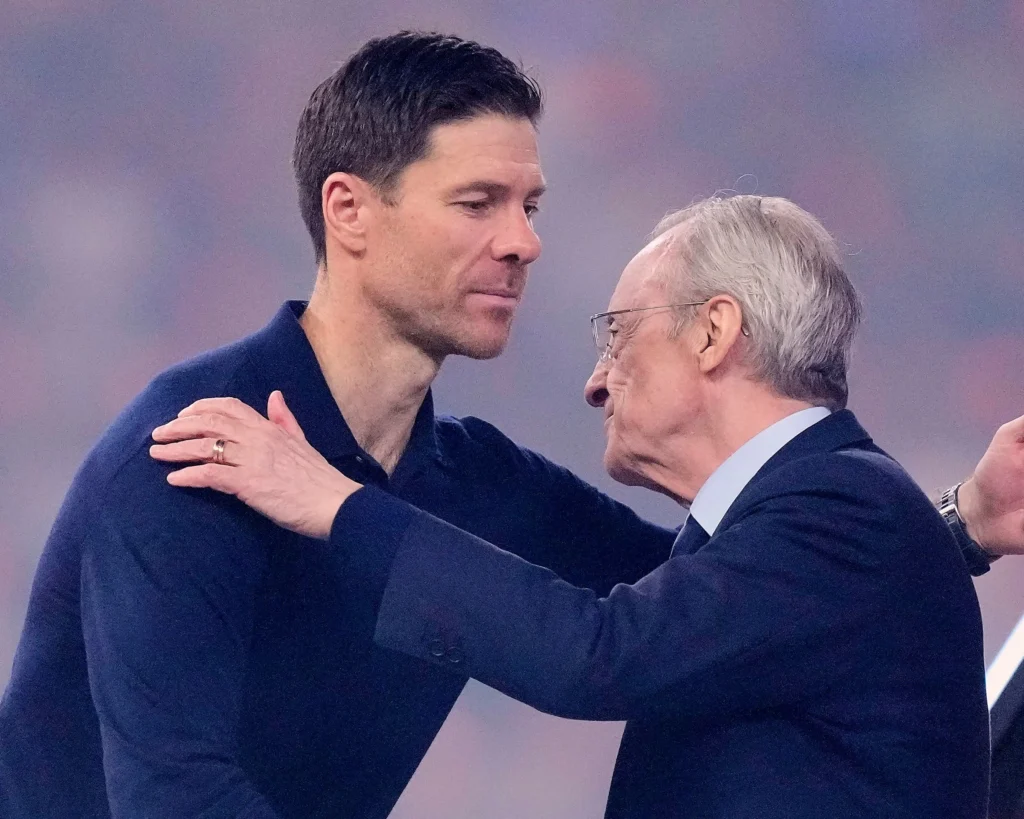
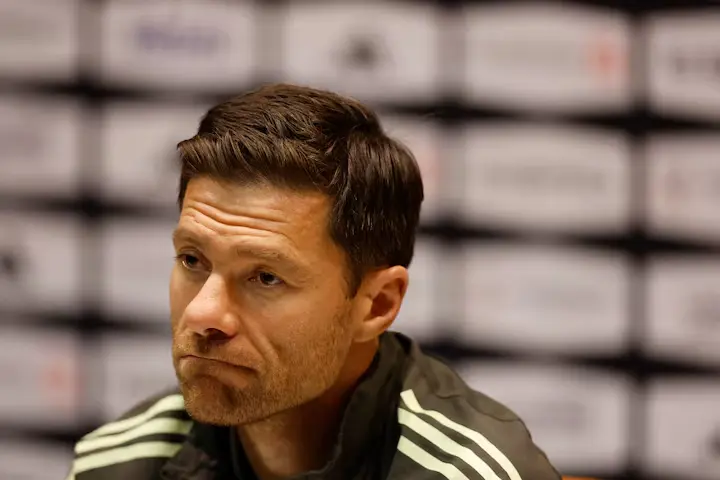
Real Madrid have confirmed a major change on the bench: Xabi Alonso leaves Real Madrid after the club decided—“by mutual agreement”—to end his spell as first-team coach. The official statement, published on Jan. 12, 2026, describes Alonso as a club legend and reiterates that “Real Madrid will always be his home.” [2]
The announcement landed with extra force because of its timing. Less than 24 hours earlier, Madrid had lost 3–2 to Barcelona in a dramatic Spanish Super Cup final in Jeddah. Reuters reported Raphinha scored twice, Robert Lewandowski added another, and despite goals from Vinícius Júnior and Gonzalo, Madrid couldn’t capitalize even after Barcelona were reduced to 10 men following a Frenkie de Jong red card. [4] Real Madrid’s own match report confirms the scoreline and Madrid’s scorers. [5]
Within hours, the club also confirmed the next step: Álvaro Arbeloa is the new first-team coach. Real Madrid’s announcement is concise—typical of the club’s official tone—but clear on the key point: Arbeloa takes the job immediately. [3]
From a narrative standpoint, it’s a sharp pivot. Alonso arrived with a modern-coach aura built on his rise in Germany, and Reuters notes he left Bayer Leverkusen after a historic run that included an unbeaten Bundesliga season and domestic success. [1] At the Bernabéu, the runway is always shorter. The club’s standard isn’t “progress”—it’s silverware, control in big matches, and a dressing room that looks aligned.
Reuters characterized Alonso’s tenure as falling short of expectations, citing poor results and reporting tensions with senior players during the spell. [1] Real Madrid’s own statement does not detail any internal issues; it simply confirms the separation and emphasizes respect for Alonso’s status. [2] The gap between those two tones—external reporting vs. official messaging—is normal in moments like this. One tells you what the club says; the other tries to explain what happened.
The choice of Arbeloa is revealing. When Real Madrid go internal, they usually want immediate cultural clarity—someone who understands the club’s pressure, speaks the language of standards, and can stabilize the week-to-week rhythm. Arbeloa ticks those boxes as a former player and as a coach developed within the club structure. Real Madrid’s announcement highlights his pathway through the academy set-up before stepping into first-team responsibility. [3]
There’s also a practical layer: the calendar doesn’t pause for transitions. Madrid’s season goals—league, Europe, cup—don’t change because the bench changes. What can change quickly is the emotional temperature: training intensity, selection hierarchy, and the “rules of the room.” Arbeloa’s first days will be judged less on tactical reinvention and more on whether the team looks sharper, more committed, and more coherent.
Tactically, any real evolution will take time, but there are obvious early levers. Madrid’s Super Cup final showed they can produce moments of high quality—Vinícius’ equalizer was described by Reuters as a dazzling solo effort—yet still concede decisive phases and fail to convert a man advantage late on. [4] Those are the margins Arbeloa will be asked to clean up immediately: game management, defensive concentration in key sequences, and shot selection when chasing a winner.
The Alonso departure also invites a broader question: was this always a short-term marriage? Reuters notes Alonso had been seen as a long-term bet because of his stature and trajectory, which makes the speed of this exit especially striking. [1] But at Real Madrid, “long-term” only exists if the present is delivering. A coach can be admired and still be replaced—sometimes within the same season.
For Alonso personally, the club’s farewell language matters. Real Madrid could have opted for a cold statement; instead, it framed him as a legend and signaled an open door in the future. [2] That suggests the club wants to preserve the relationship—and the possibility of a return in another capacity later—even as it closes this chapter now.
For Arbeloa, the challenge is different but just as demanding: prove that internal continuity can still produce immediate results. The appointment will be welcomed by some fans who value identity and intensity; others will see it as a high-risk step-up. Either way, the early matches will set the story fast. If the team responds, Arbeloa becomes “the right call.” If results wobble, the same decision will be framed as an interim patch.
Real Madrid have made the only bet they truly believe in: that standards, familiarity, and authority can reset momentum quickly. Now they have to win the next one—because at this club, the next one always arrives first. [1][3]
FAQs
Why did Xabi Alonso leave Real Madrid?
Real Madrid stated that the club and Alonso decided by mutual agreement to end his time as first-team coach. [2]
Who replaced Xabi Alonso at Real Madrid?
Real Madrid confirmed Álvaro Arbeloa as the new first-team coach on Jan. 12, 2026. [3]
Did the Super Cup final loss trigger the change?
The coaching change was announced the day after Barcelona beat Real Madrid 3–2 in the Spanish Super Cup final, and Reuters reported the timing in that context. [1][4]
Where was the Spanish Super Cup final played?
Reuters reported the final took place in Jeddah at King Abdullah Sports City Stadium. [4]
What did Real Madrid say about Alonso in the statement?
The club called Alonso a Real Madrid legend and said Real Madrid will always be his home. [2]
References
[1] Reuters — “Alonso leaves Real Madrid by mutual agreement after seven months” (Jan. 12, 2026).
[2] Real Madrid CF — “Comunicado Oficial: Xabi Alonso” (Jan. 12, 2026).
[3] Real Madrid CF — “Official Announcement: Álvaro Arbeloa” (Jan. 12, 2026).
[4] Reuters — “Raphinha strikes twice as Barcelona edge Real Madrid…” (Jan. 11, 2026).
[5] Real Madrid CF — “Madrid lose Spanish Super Cup final” (Match report, Jan. 11, 2026).
More Stories
Yan Diomande Real Madrid Debut Delayed as Mourinho Leaves Winger Out
Ferencvaros vs Real Madrid: Mourinho Starts Endrick as Bernardo Silva Waits
Rodri Real Madrid Transfer Collapses as Barcelona Wins Player’s Choice